-

All Levels
-

26 Weeks
-

MIT Certification
-

Industry Immersion
-

Capstone Projects
Overview
Our Computer Vision Course focuses on advanced AI concepts like image processing, object detection, and deep learning models. Gain hands-on experience with real-world datasets, build intelligent vision systems, and understand how computer vision powers modern applications across industries.
- Computer Vision Engineer
- Junior Computer Vision Engineer
- Image Processing Engineer
- Video Analytics Engineer
- AI Vision Engineer
- Automation Engineer (Vision Systems)
- AI Research Assistant
- Computer Vision Intern

Targeted Job
Roles

Training and Methodology
Unlock advanced Computer Vision learning with our structured training approach -
-
 Hands-On Training - Work directly on image data, videos, and real-world vision problems.
-
Industry-Level Projects - Develop applications like object detection, face recognition, and video analysis.
-
Expert Mentorship - Learn optimization techniques and best practices from industry professionals.
Why Choose This
Course?
Build Strong Foundations in Deep Learning
Start your journey into Deep Learning with a structured approach to neural networks, activation functions, and model training. This course is designed to help you understand core concepts, build deep learning models, and apply techniques like backpropagation, optimization, and overfitting prevention using real datasets.
Register Now-

Placement Assistance Program
Get career support with resume building, interview preparation, and job guidance.
-

Hands-On Neural Network Projects
Build and train deep learning models using datasets like MNIST and real-world examples.
-

Expert Mentorship
Learn core concepts like backpropagation, optimizers, and overfitting with guided support.
Skills acquired from Deep Learning Course
-

Strong understanding of Deep Learning fundamentals and neural network architecture.
-
Understand perceptrons, forward propagation, and backpropagation in neural networks.
-
Apply activation functions and understand their impact on model performance.
-
Use optimizers to improve model accuracy and training efficiency.
-
Build and train deep neural networks for classification problems.
-
Apply techniques like early stopping and dropout to prevent overfitting.
-
Work with real datasets like MNIST for digit and image classification tasks.
-
Tune hyperparameters to optimize deep learning model performance.
Tools & Technologies Covered In This Course


The Course Syllabus
The course covers important topics.
Introduction to Computer Vision
- Fundamentals of Computer Vision and image processing concepts
- Applications of Computer Vision in AI, automation, and robotics
- Understanding image representation, pixels, and color spaces
Image Pre-processing & Detecting Edges
- Techniques for image resizing, filtering, and noise reduction
- Understanding grayscale conversion and image enhancement methods
- Edge detection using Sobel, Canny, and Laplacian algorithms
Understanding Convolutional Layer and Pooling Layer
- Working principles of Convolutional Neural Networks (CNNs)
- Feature extraction using convolutional layers and kernels
- Role of pooling layers in reducing dimensions and improving efficiency
Image Classification using CNN
- Building and training CNN models for image classification
- Understanding activation functions, loss functions, and optimizers
- Evaluating model performance using accuracy and validation metrics
Image Augmentation & Reading Text Data from an Image
- Applying image augmentation techniques to improve model accuracy
- Understanding OCR (Optical Character Recognition) concepts and workflows
- Extracting and processing text from images using AI libraries
Projects & Case Study
- Case Study -: Hand gesture volume controller using MediaPipe
- Case Study -: AI Exercise counter using MediaPipe

Ready to build
intelligent
AI models?
Step into Deep Learning with expert-led training, hands-on neural network projects, and career-focused guidance in Thane. Book your free demo today!
Book Free Demo
Recruiters looking for Machine Learning Students







Certification For This
Course
Advance your AI career with our Deep Learning Course. Build real-world neural network models and earn a recognized Deep Learning Certification that validates your skills.
Register Now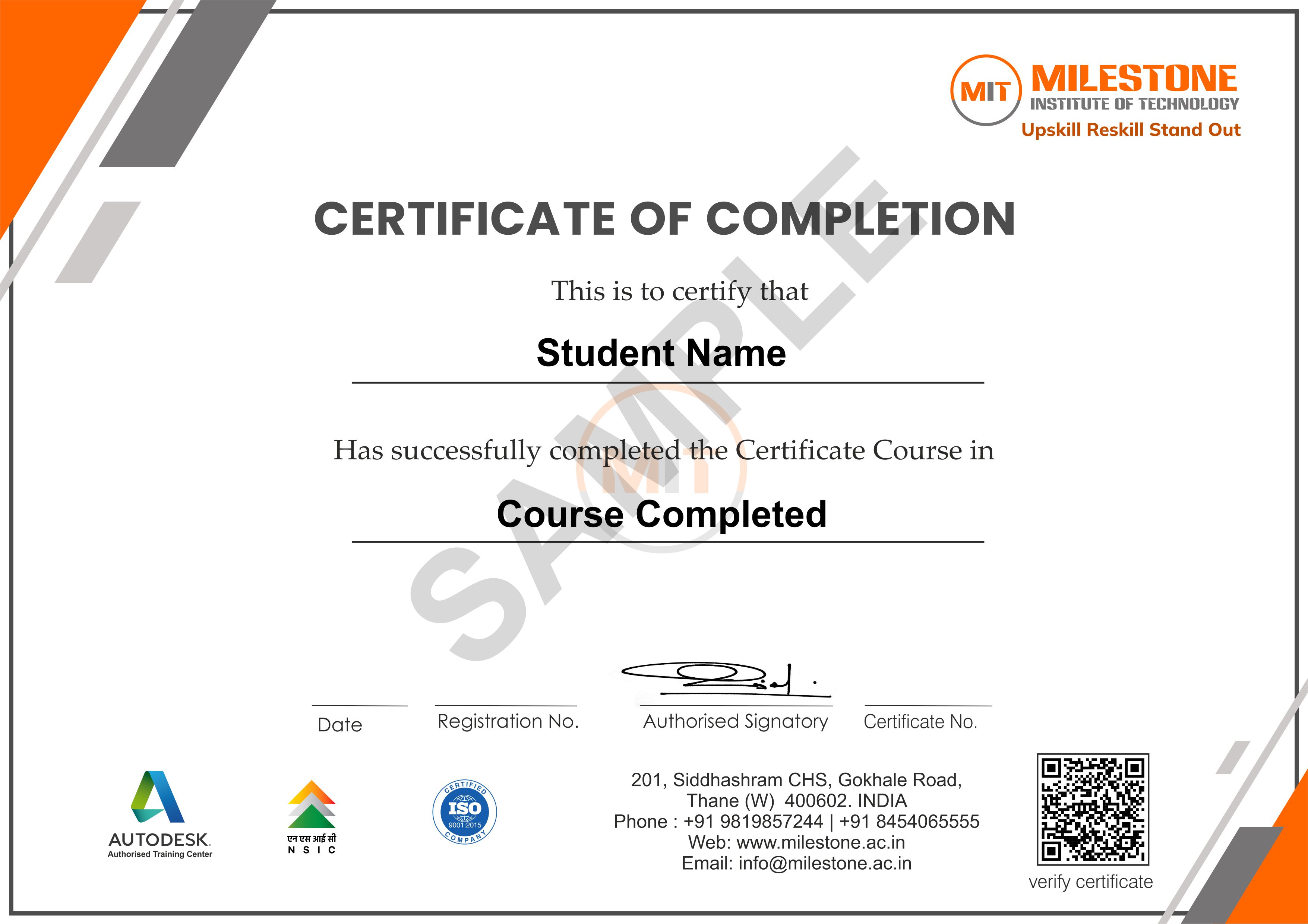

Get in touch today
What Our Students Say
-
Data Analytics training boosted my skills and confidence, helping me secure placement at Technimont.
Amruta Pal
-

As a beginner, I was scared at first, but MIT’s training program and structure made me confident.
Nikita Chaudhary
-
I feel highly confident in my skills and would definitely recommend MIT for a Data Analytics Course.
Rushikesh Kale

Frequently Asked Questions
Have questions about Deep Learning? Explore key details about neural networks, training methods, hands-on projects, and how this course helps you build a strong AI foundation.
-
Do I need prior Machine Learning knowledge?


Basic understanding of programming is helpful, but not mandatory. The course starts with fundamentals and gradually introduces deep learning concepts step by step.
-
What makes Deep Learning different from Machine Learning?
Deep Learning focuses on neural networks that automatically learn patterns from data, especially for complex tasks like image and pattern recognition, unlike traditional machine learning methods.
-
What kind of projects will I work on?
You will build neural network models for classification tasks such as digit recognition using MNIST and similar real-world datasets.
-
Will I learn how neural networks actually work?
Yes, you will understand core concepts like perceptrons, forward propagation, backpropagation, activation functions, and optimizers in a practical way.
-
How does this course help in career growth?
You gain practical deep learning skills, project experience, and guidance that prepares you for roles in AI and advanced machine learning domains.
